The complete guide
Understanding pink noise and how a CrySensor night light responds
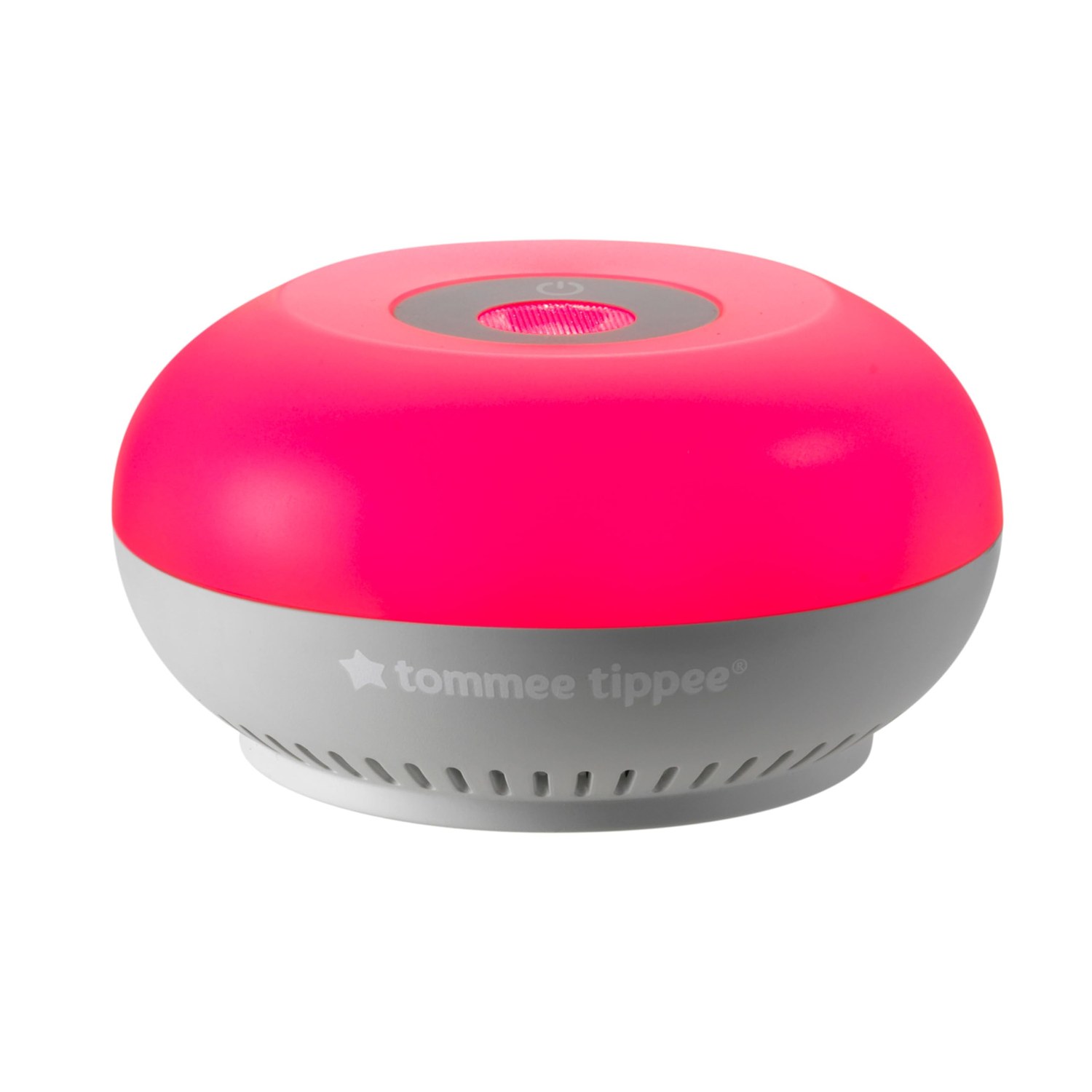
Pink noise and a sensor that listens for crying sound like two unrelated features, but together they define what makes the Dreammaker different from a typical night light with a sound option bolted on.
What pink noise actually is
Pink noise is a specific type of steady background sound, related to white noise but weighted differently across frequencies so it tends to sound a little deeper and less harsh to the ear. Rather than offering a long list of tracks, the Dreammaker focuses on one well-chosen pink noise sound, on the basis that a single, consistent option a baby can get used to matters more than variety.
Why the light pulses instead of staying still
A static night light does one job: providing enough visibility to avoid stumbling in the dark. A pulsing light is doing something slightly different, offering a rhythmic visual pattern alongside the light itself. Whether or not a baby consciously notices the rhythm, it's a deliberate design choice rather than an accidental animation.
How CrySensor changes the first response to crying
Without a sensor, the sequence when a baby cries is: cry, parent notices (from another room, from being asleep, from being mid-task), parent walks to the room, parent turns something on. CrySensor shortens that first step to almost nothing, the light and sound activate the moment crying is detected, which can mean the automatic response is already underway by the time you reach the room.
Setting expectations for what it can and can't do
CrySensor is a response tool, not a replacement for checking on your baby. It's built to provide an immediate, consistent first reaction, calming light and sound, while you make your way to the room, not to fully manage a night alone. Treat it as a genuinely useful first line of response rather than something that removes the need to go and check.