The complete guide
Choosing the right night-light colour for different bedtime moments
A colour night light seems like a small detail next to the sound a machine plays, but the colour you choose for different moments in the evening genuinely changes how well it works.
Warm tones for winding down
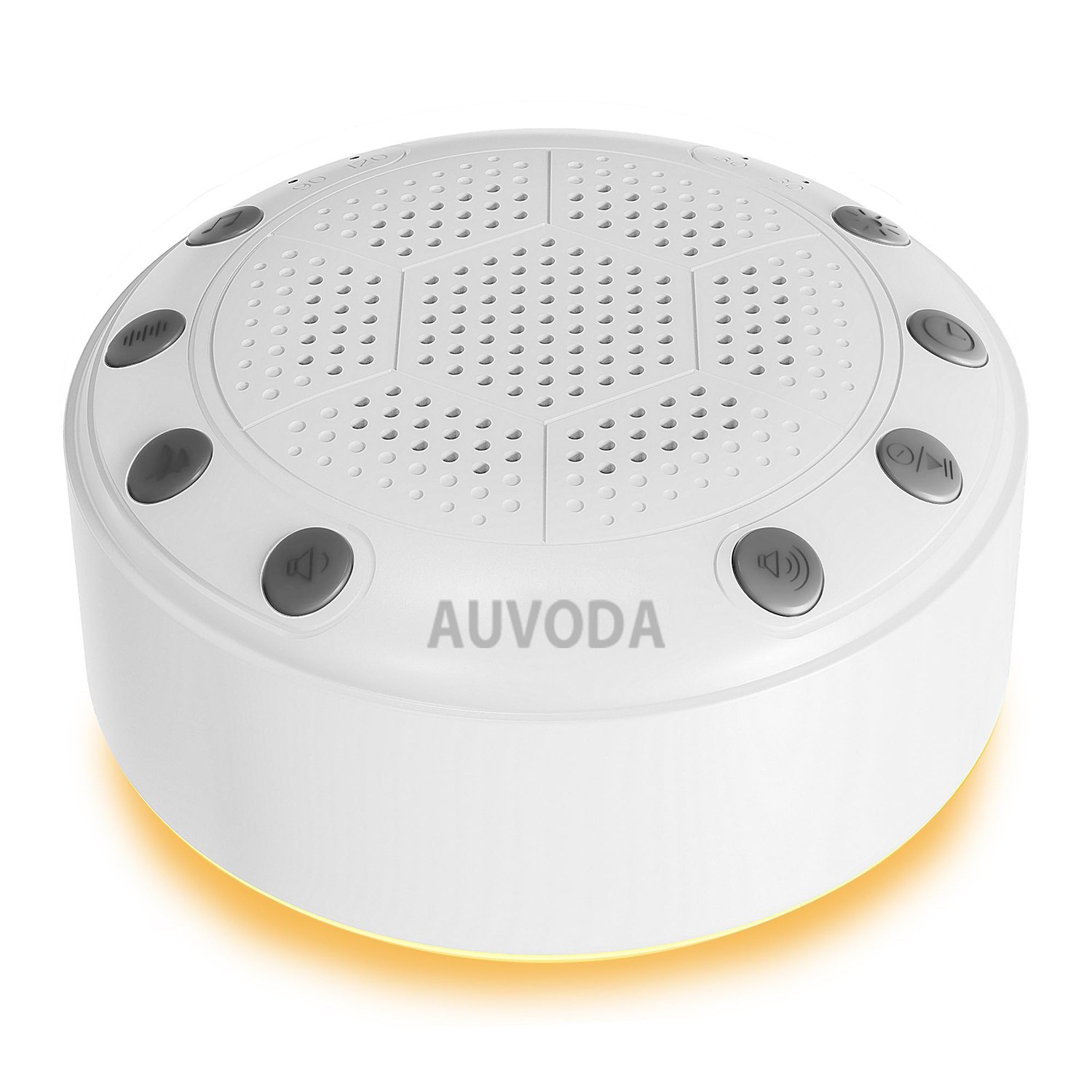
For the last hour before sleep, warmer colours, ambers, soft reds, gentle oranges, tend to work better than cooler blues or whites. Warmer light is generally considered less alerting in the evening, which is why the S318 defaults toward soft, muted tones rather than the vivid saturated colours you'd want in a playroom during the day.
A dim light for nighttime feeds
The point of a night light during a 3am feed or nappy change is to see just enough without properly waking anyone up, including yourself. A low-brightness setting on a warm colour, run without any sound if you don't need it, lets you handle the practical task and get back to sleep faster than switching on a bedroom lamp would.
Brighter, cooler tones have their place too
Not every use case is about sleep. A brighter, cooler colour setting works better for supervised daytime naps or as a genuine nightlight for a toddler who's afraid of full darkness but doesn't need dimming for sleep onset. The S318's 11 colour options exist precisely because "night light" covers several different jobs depending on the time of day and the child's age.
Matching light to sound, or keeping them separate
Because the light and sound run independently on this machine, you don't have to treat them as a single bedtime package. Some families run both together at bedtime, a warm glow plus a steady sound, then switch to light-only for a 2am check. Others prefer sound without any light at all once a baby is properly asleep. There's no single right combination, only the one that gets your household back to sleep fastest.